
Ask ten shooters this question and you will get eleven confident answers. Here is the plain version, without the brand loyalty: a single-stage breaks in one smooth motion, a two-stage lets you take up slack, feel a wall, and then break the shot on purpose.
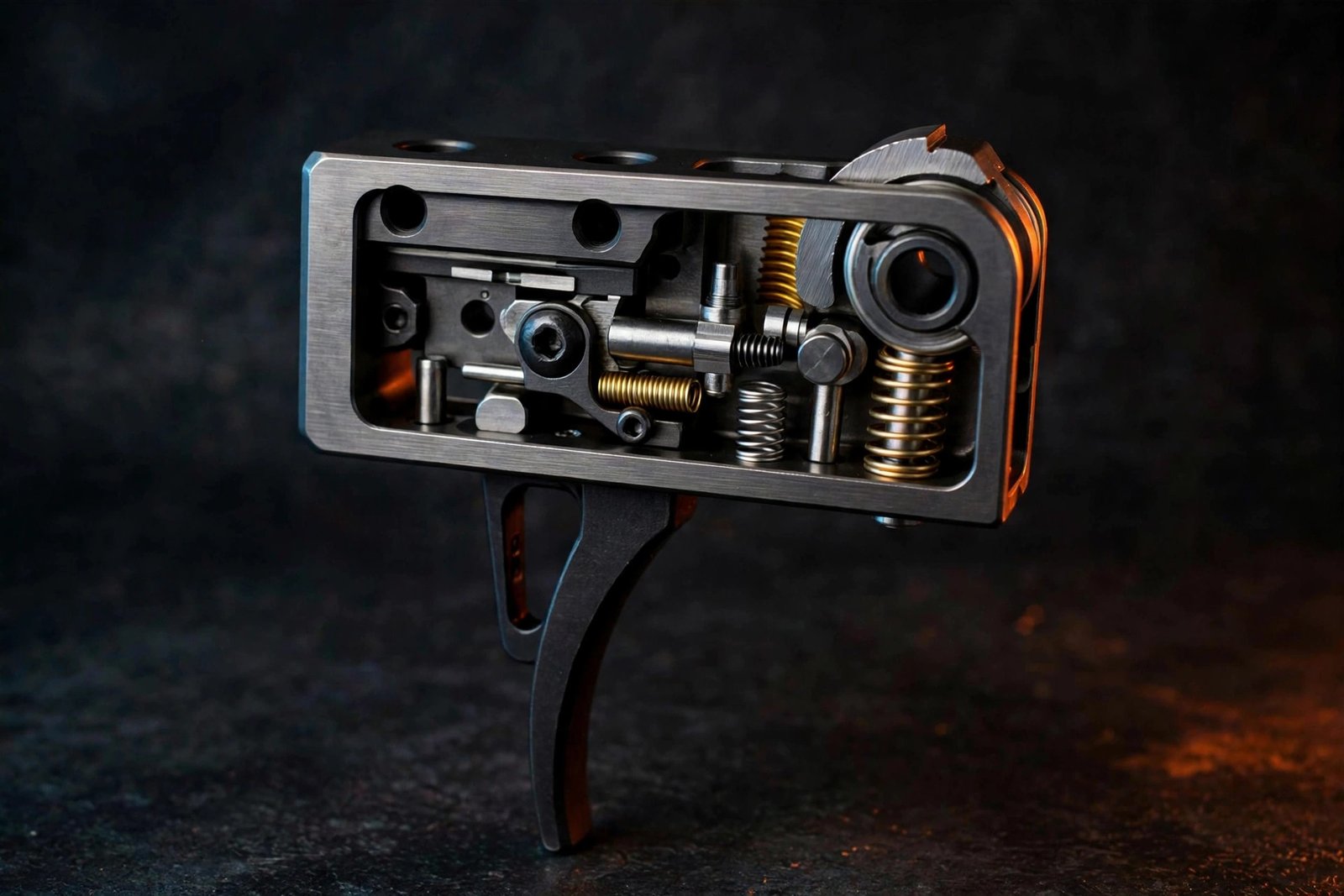
At Next Level Triggers we steer precision and duty shooters toward two-stage triggers, and speed shooters toward single-stage triggers, but there is a huge overlap in the middle. If you only own one AR, a good two-stage is the safest all-rounder, because it gives you control without giving up speed once you train with it.
What to Look For
- Fitment first: Confirm your exact make, model, generation, and pattern. A trigger that almost fits does not fit.
- Break quality: Look for a clean, predictable break with minimal creep, not just a low pull weight number.
- Reset you can feel: A short, tactile reset helps follow-up shots, especially in competition and defensive shooting.
- Pull weight for your use: Heavier and more forgiving for carry and duty, lighter and more precise for competition and bench work.
- Support and warranty: Buy from a brand and a store that will help if something is not right. That is us, and we mean it.
Comparison Table
| Trigger / Type | Style | Pull Weight | Best For |
|---|---|---|---|
| Geissele SSA-E | Two-stage | 3.5 lb | Best overall |
| LaRue MBT-2S | Two-stage | 4.5 lb | Best value |
| Timney Impact | Single-stage, drop-in | 3 lb | Best budget drop-in |
| CMC 3.5 lb Flat | Single-stage, drop-in | 3.5 lb | Best for competition |
| TriggerTech Adaptable | Single-stage, adjustable | 2.5-5 lb | Best adjustable |
Pull weights are manufacturer-stated ranges and can vary by gun, springs, and measurement method. Always verify the current spec on the product page at https://nextleveltriggers.com/ before ordering.
The Common Mistake to Avoid
The mistake is switching types every month. Your finger learns a trigger the way it learns a keyboard. Give a new trigger at least a few hundred dry-fire reps before you decide you hate it.
Safety Note
Always treat every firearm as loaded, keep the muzzle in a safe direction, and keep your finger off the trigger until you are ready to shoot. After any trigger work, perform a full function and safety check, and if you are not confident, have a qualified gunsmith inspect the gun before live fire. This post is educational information, not a substitute for professional training or legal advice.
Frequently Asked Questions
What is the best single-stage vs two-stage trigger for a first-time buyer?
Start with a proven, mid-weight option for your exact gun, from a reputable brand. It is easier to appreciate a premium trigger after you have felt a solid mid-range one, and it is easier to sell or move a mid-range trigger if your needs change.
Will a new trigger fit my gun?
Check the product page for your exact make, model, and generation, and contact Next Level Triggers if you are unsure. Fitment details matter more than general platform names.
Do I need a gunsmith to install a trigger?
Many drop-in triggers are designed for confident home installers, but if you are unsure at any step, stop and get professional help. A correct install and a full function check are non-negotiable.
Shop This on Next Level Triggers
Prices and stock change. Check each product page for current price, fitment notes and shipping restrictions before you order.
- Geissele SSA-E – $250.99 on Next Level Triggers
- Rare Breed FRT-15C3 – $450
- Browse all triggers at Next Level Triggers
Questions about fit? Browse the shop or contact us with your exact gun model and how you shoot.