
Budget is not a dirty word, it is a real constraint, and a good trigger guide should respect it. This post is organized by what you can actually get at three price points, without pretending a $90 trigger is the same as a $350 trigger.
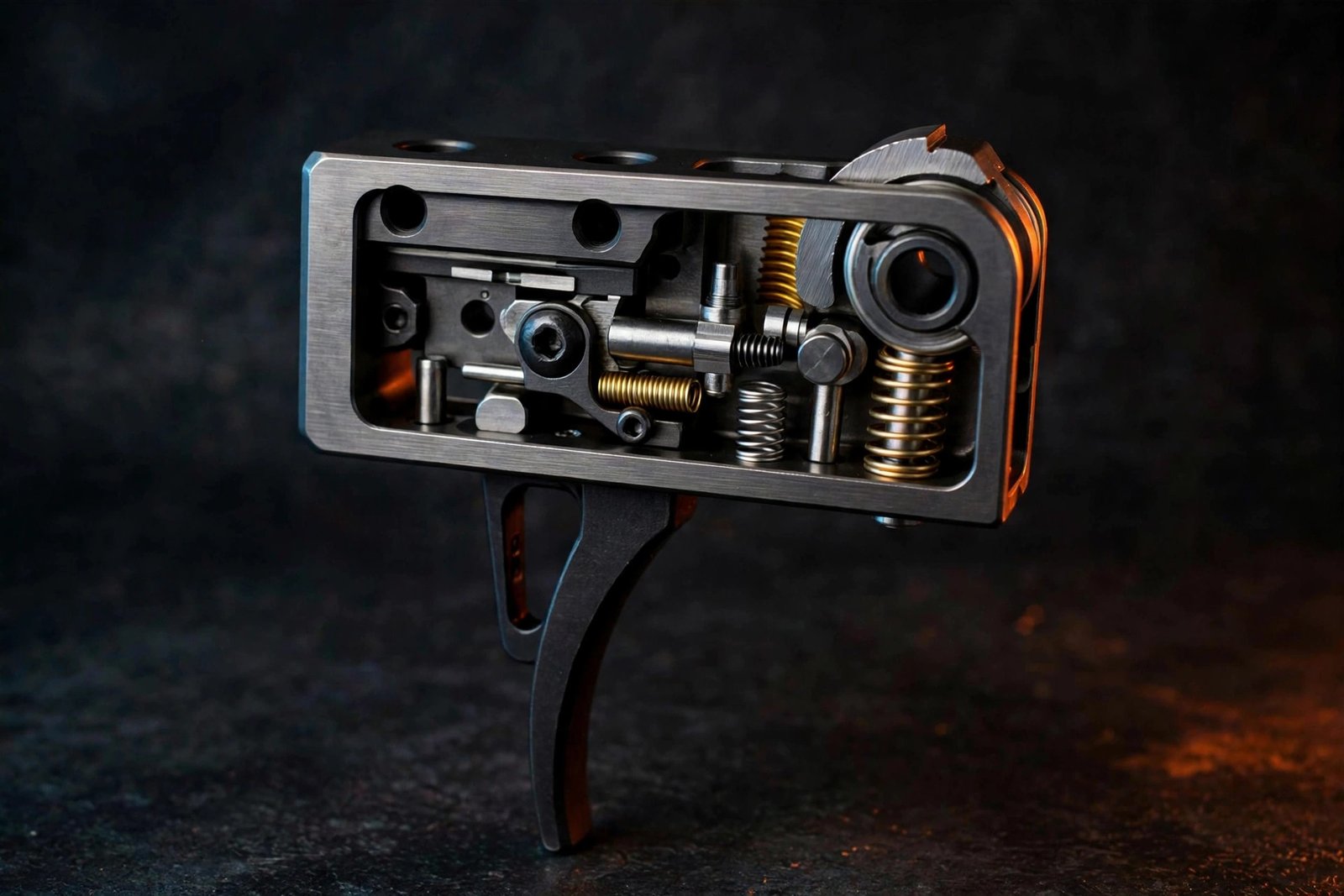
At Next Level Triggers, under $150 gets you a solid mil-spec upgrade or a good value drop-in. Under $250 gets you into Geissele, LaRue, and Timney territory, where most shooters find their sweet spot. Under $400 gets you premium adjustable triggers and competition-grade parts that most shooters do not need, but some will love.
What to Look For
- Fitment first: Confirm your exact make, model, generation, and pattern. A trigger that almost fits does not fit.
- Break quality: Look for a clean, predictable break with minimal creep, not just a low pull weight number.
- Reset you can feel: A short, tactile reset helps follow-up shots, especially in competition and defensive shooting.
- Pull weight for your use: Heavier and more forgiving for carry and duty, lighter and more precise for competition and bench work.
- Support and warranty: Buy from a brand and a store that will help if something is not right. That is us, and we mean it.
Comparison Table
| Trigger / Type | Style | Pull Weight | Best For |
|---|---|---|---|
| Drop-in cassette | Self-contained | 2.5-5.5 lb | Easiest install |
| Mil-spec kit | Traditional parts | 5.5-6.5 lb | Most affordable |
| Two-stage kit | Traditional parts | 4.5 lb total | Most control |
| Adjustable trigger | Set screws / springs | 1.5-5 lb | Most tunable |
| Factory trigger | As shipped | 5.5-7 lb | Baseline |
Pull weights are manufacturer-stated ranges and can vary by gun, springs, and measurement method. Always verify the current spec on the product page at https://nextleveltriggers.com/ before ordering.
The Common Mistake to Avoid
The mistake is stretching your budget for a premium trigger and then skipping practice ammo to pay for it. A $150 trigger and 500 rounds of practice beats a $400 trigger and no practice.
Safety Note
Always treat every firearm as loaded, keep the muzzle in a safe direction, and keep your finger off the trigger until you are ready to shoot. After any trigger work, perform a full function and safety check, and if you are not confident, have a qualified gunsmith inspect the gun before live fire. This post is educational information, not a substitute for professional training or legal advice.
Shop This on Next Level Triggers
Prices and stock change. Check each product page for current price, fitment notes and shipping restrictions before you order.
Questions about fit? Browse the shop or contact us with your exact gun model and how you shoot.